The Neighborhood Mat: How Jiu Jitsu Brings Kids and Communities Together
Oct 18, 2026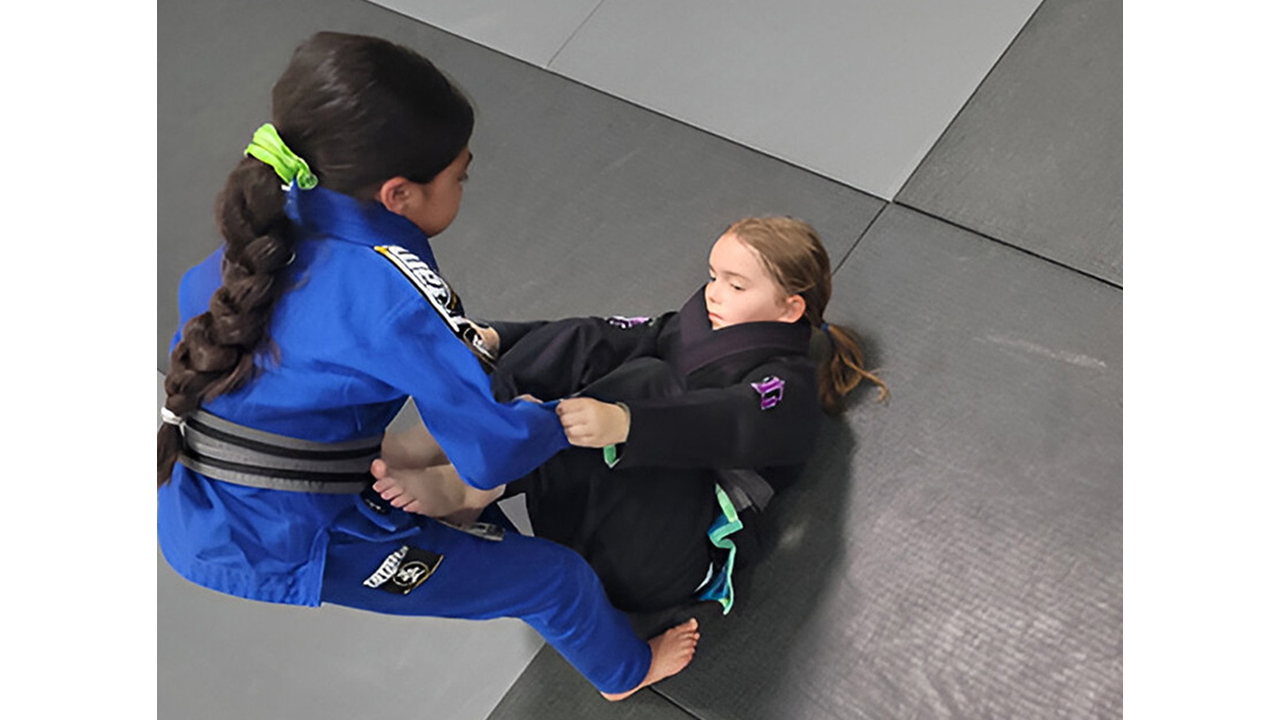
The Neighborhood Mat: How Jiu Jitsu Brings Kids and Communities Together
By a parent and educator | Jiu Jitsu Graduate
Many of us remember childhoods filled with neighborhood play. Kids gathered in backyards, rode bikes up and down the street, and invented games that lasted until the streetlights came on. Those experiences taught us how to make friends, solve disagreements, take turns, and feel part of a community.
Today, neighborhood play looks different. Busy schedules, screens, and safety concerns mean that many children spend less time playing with neighbors. Parents often wish their children had more chances to connect with other kids in healthy, active, and supervised ways.
As a parent and an educator, I believe Jiu Jitsu can help bring back some of that neighborhood connection. With a structured online youth Jiu Jitsu program, families can create small, supervised neighborhood training groups. Kids learn real skills, build friendships, stay active, and grow together, all close to home.
In this post, I'll share the benefits of neighborhood Jiu Jitsu groups, what research says about social connection and physical activity, and a step-by-step guide to starting a safe, positive group in your community.
What Is a Neighborhood Jiu Jitsu Group?
A neighborhood Jiu Jitsu group is a small gathering of children, often siblings, cousins, friends, and neighbors, who train together using an online curriculum. Sessions take place in a home, garage, or other safe space with protective mats and adult supervision.
A typical session includes:
- Welcome and safety check. Everyone greets each other and reviews the space.
- Warm-up. The group completes movement drills together.
- Everyone watches a short technique lesson from the online curriculum.
- Partner practice. Kids pair up and practice the technique at a safe, controlled pace.
- The group plays fun positional games.
- Wrap-up. Everyone shares something they learned and celebrates progress.
Groups can meet weekly or a few times a month. Each child follows their own progress through the curriculum, earning badges, stripes, certificates, and belts.
What the Research Says About Connection and Activity
Here is a short summary of relevant research. (Full references appear at the end of this post.)
Group physical activity can build social connection, especially for shy children. In research on engaging families in physical activity programs, families cited social, health, and educational benefits as key reasons to participate, including children experiencing new things, developing character, and increasing social contact, particularly for shy children (Engaging Families in Physical Activity Research).
Shared activity builds quality time and skills. In research with parents, the major benefits of co-participation in physical activity included spending quality time together, improving children's health and wellbeing, and developing physical skills (Health Promotion International).
Many children spend more time on screens than recommended. A review of 53 studies estimated that school-aged children average about 2.77 hours of screen time per day, with 46.4% exceeding two hours daily (PMC review). Neighborhood training offers a healthy, social alternative.
Children need daily activity. The CDC recommends 60 minutes or more of moderate-to-vigorous physical activity daily for children ages 6 to 17 (CDC).
Peer learning benefits everyone. The Education Endowment Foundation reports that peer tutoring benefits both tutors and tutees, with an average effect equivalent to about six months of additional progress (Education Endowment Foundation). In neighborhood groups, kids naturally learn from and teach one another.
7 Benefits of Neighborhood Jiu Jitsu Groups
- Real Friendships Grow on the Mat
Training together creates strong bonds. Kids cheer for each other, help each other learn, and share in each other's success. Friendships formed through shared challenges often run deep.
For children who are new to the neighborhood or who find it hard to make friends, a training group provides a natural, structured way to connect. There's always something to talk about and something to work on together.
- Kids Stay Active Together
Neighborhood groups give children a fun reason to move. Instead of sitting inside on devices, they're rolling, crawling, practicing techniques, and playing games. Group energy keeps everyone motivated.
Regular sessions can help children work toward the CDC's recommendation of 60 minutes of daily activity (CDC).
- Social Skills Develop Naturally
Partner training teaches communication, cooperation, patience, and respect. Kids learn to take turns, give and receive feedback, and resolve small disagreements calmly.
These social skills are practiced in a supervised, structured setting where adults can guide children and reinforce positive behavior.
- Shy Children Find Their Voice
Large classes can feel overwhelming for shy children. Small neighborhood groups, often held in a familiar home, can feel much more comfortable. Shy children can start by watching, then join in as they feel ready.
Research on family physical activity programs has noted benefits for social contact, particularly for shy children (Engaging Families in Physical Activity Research).
- Older Kids Become Mentors
In mixed-age neighborhood groups, older children naturally help younger ones. They demonstrate techniques, offer encouragement, and model good behavior. This builds leadership in older kids and gives younger kids positive role models.
- Families Connect With Neighbors
Neighborhood groups bring families together too. Parents get to know each other, share supervision duties, and build a supportive community. These connections can lead to carpools, playdates, and lasting friendships among families.
- Healthy Alternatives to Screen Time
When kids have a regular group activity to look forward to, they often spend less time on passive screens. Neighborhood training offers active, social fun that many children find more rewarding than another hour of gaming.
How to Start a Safe Neighborhood Jiu Jitsu Group
Step 1: Talk With Interested Families
Reach out to neighbors, friends, homeschool families, or relatives who might be interested. Share what the group will look like, how often you'll meet, and how safety will be handled.
Step 2: Get Permission and Agree on Expectations
Make sure every parent gives permission for their child to participate. Agree on expectations for behavior, safety, supervision, and schedules. Many groups find it helpful to write down a simple set of group rules.
Step 3: Choose a Safe Training Space
Select a space with enough room for the group, such as a garage, large living room, or covered patio. Protective mats are required for youth technical training. Remove furniture and hard objects and make sure the floor is clear.
Step 4: Arrange Adult Supervision
At least one responsible adult should supervise every session. For larger groups, consider having two adults present. Parents can take turns hosting and supervising.
Step 5: Enroll in a Structured Curriculum
Each family should enroll in a structured online program so children can follow lessons, track their progress, and earn real promotions. At Jiu Jitsu Graduate, every child follows their own path and earns belts through in-person or remote video evaluation by a Jiu Jitsu Graduate Coach.
Step 6: Set a Regular Schedule
Choose consistent days and times, such as Saturday mornings or one weekday afternoon. Regular meetings build habits and give kids something to look forward to.
Step 7: Review Safety Rules Every Session
Start each session by reviewing the Safety, Space, and Rules guidelines. Pair children by size and experience whenever possible.
Step 8: Celebrate Together
When a child earns a badge, stripe, certificate, or belt, celebrate as a group. Shared celebrations build community and motivation.
Sample Neighborhood Group Rules
- An adult supervises every session.
- Review the training space before starting.
- Greet and thank every partner.
- Move slowly and stay in control.
- When your partner taps or says "stop," let go immediately.
- Respect everyone, every time.
- No training without permission.
- Help clean up after every session.
A Sample Neighborhood Group Session
|
Segment |
Activity |
Time |
|
Welcome |
Greetings, space check, rules review |
5 minutes |
|
Warm-Up |
Shrimping, bridging, bear crawls, rolls |
10 minutes |
|
Lesson |
Watch a technique from the online curriculum |
5 minutes |
|
Practice |
Partner drilling at a controlled pace |
15 minutes |
|
Games |
Hold the Position, Escape to the Edge |
10 minutes |
|
Wrap-Up |
Share one thing learned, celebrate progress |
5 minutes |
Tips for Hosting Parents
Hosting a neighborhood group is a wonderful way to build community. A few simple practices can make every session run smoothly.
Prepare the space early. Set up mats, clear the area, and have the lesson ready to play before kids arrive.
Keep water available. Make sure every child has access to water and short breaks.
Know each child's needs. Ask parents about any health concerns, allergies, or special considerations before the first session.
Keep a contact list. Have phone numbers for every parent in case you need to reach them.
Start and end on time. Predictable schedules make it easier for families to plan and build trust.
Rotate hosting. Sharing hosting duties among families keeps the group sustainable and spreads the responsibility.
Stay positive. Celebrate effort, encourage kindness, and gently redirect behavior when needed.
How Neighborhood Training Supports Homeschool Families
Neighborhood Jiu Jitsu groups can be especially valuable for homeschool families. Homeschool students often look for regular opportunities to connect with peers, and a weekly training group provides consistent social time combined with structured physical education.
Homeschool families can schedule sessions during the school day, when other activities may be less crowded. Groups can also connect training to other subjects, such as writing reflections, tracking progress with charts, or exploring the science of leverage.
Because each child follows their own path through the online curriculum, students of different ages and levels can train together while still making individual progress. For Arizona families, Jiu Jitsu Graduate LLC works with ESA families through ClassWallet for eligible instruction and curriculum-based materials.
Building a Positive Group Culture
The best neighborhood groups share a positive, welcoming culture. Here are a few ways to build one:
Welcome newcomers warmly. Pair new children with experienced, patient partners.
Celebrate everyone's progress. Recognize every badge, stripe, certificate, and belt, no matter how big or small.
Encourage teamwork over competition. Focus on helping each other learn rather than winning.
Address problems early. If conflicts arise, address them calmly and quickly, reinforcing respect and the Golden Rules.
Make it fun. Games, laughter, and occasional special events like a promotion celebration keep kids excited to return.
Neighborhood Groups at Every Age
Young children (Kindergarten to Grade 2). Keep groups small and sessions short. Focus on games, basic movements, and friendship. Close adult supervision is essential.
Upper elementary (Grades 3 to 5). Children can practice techniques with partners and take on small leadership roles, such as leading warm-ups.
Middle school (Grades 6 to 8). Groups offer a healthy social outlet during a time when friendships matter greatly. Students can mentor younger participants.
High school (Grades 9 to 12). Teens can help lead sessions under adult supervision, building leadership and responsibility.
Keeping Neighborhood Training Safe
At Jiu Jitsu Graduate, all home and group training follows three rules:
- Safety: Safety first, always. Move slowly, stay in control, and tap early. A technique done safely and slowly is worth more than one done fast and rough.
- Space: Take good care of your mat space and always review the area before training. Protective mats are required for youth technical training.
- Rules: Respect your partner. Your partner is helping you learn, so take care of them and follow the Golden Rules.
Visit our "Welcome to Home Training" page for full guidance.
Getting Started This Week
Reach out to one or two families you know well and share the idea of a small neighborhood training group. Talk about safety, supervision, and schedules, and agree on a simple set of group rules. Pick a date for a first session, keep it short and fun, and focus on games and getting to know each other. Once everyone is comfortable, add technique lessons from the online curriculum and begin tracking each child's progress. A single successful session is often all it takes to get kids excited to come back the following week.
Frequently Asked Questions
How many kids should be in a neighborhood group?
Small groups of four to eight children work well for most home spaces, with at least one adult supervisor.
Does every child need to be enrolled in the program?
Yes. Each child should be enrolled so they can follow the curriculum, track their progress, and earn promotions through evaluation.
What if kids are different ages and sizes?
Pair children by size and experience when possible, and have older kids practice slowly and carefully with younger partners.
Where should we train?
Any safe, open space with protective mats, such as a garage, large room, or covered patio.
What ages is the program for?
Our youth program serves students from kindergarten through 12th grade.
How often should a neighborhood group meet?
Once a week works well for most groups. Children can continue training at home with family between group sessions to keep progressing through the curriculum. Consistency helps friendships and skills grow together.
Can Arizona ESA families use their funds?
Jiu Jitsu Graduate LLC works with Arizona ESA families through ClassWallet for eligible instruction and curriculum-based materials. See our ESA Payment page for details.
Conclusion: Building Community, One Mat at a Time
Neighborhood Jiu Jitsu groups bring back something many families miss: active, healthy, connected childhood play. Kids build friendships, stay active, develop social skills, and grow as leaders. Families connect with neighbors and create supportive communities.
Research on social connection, physical activity, screen time, and peer learning supports the value of bringing kids together in structured, active, and supervised settings.
A few mats, a willing group of families, and a structured curriculum are all it takes to start something special in your neighborhood. The friendships and memories your children build on that mat may last for years to come.
Start with just one or two families, a single weekly session, and a commitment to safety and respect. As word spreads and children share their excitement, your group may grow naturally. Whatever its size, a neighborhood training group gives children something increasingly rare and precious: a place close to home where they belong, where they're encouraged, and where they can grow alongside friends.
That is why Jiu Jitsu Graduate at www.jiujitsugraduate.com is the ideal online training for youth success and growth. With a progressive, position-based curriculum, guided home training, weekly new techniques, a vault of 1,000+ videos, and belt promotions earned through real evaluation, Jiu Jitsu Graduate helps families build stronger kids and stronger communities.
Guided on the Path. Nurtured to Succeed. Always Moving Forward.
Start your neighborhood's journey today at www.jiujitsugraduate.com.
References
- Engaging families in physical activity research. PubMed Central. https://pmc.ncbi.nlm.nih.gov/articles/PMC4660685/
- Co-participation in physical activity: Perspectives from Australian parents of pre-schoolers. Health Promotion International, 35(6), 1474. https://academic.oup.com/heapro/article/35/6/1474/5810174
- Digital media use and screen time exposure among youths. PubMed Central. https://pmc.ncbi.nlm.nih.gov/articles/PMC12364383/
- Centers for Disease Control and Prevention. Child Activity: An Overview. https://www.cdc.gov/physical-activity-basics/guidelines/children.html
- Education Endowment Foundation. Peer Tutoring: Teaching and Learning Toolkit. https://educationendowmentfoundation.org.uk/education-evidence/teaching-learning-toolkit/peer-tutoring
Author