Parents as Partners: How Involvement in Home Jiu Jitsu Training Helps Kids Succeed
Oct 18, 2026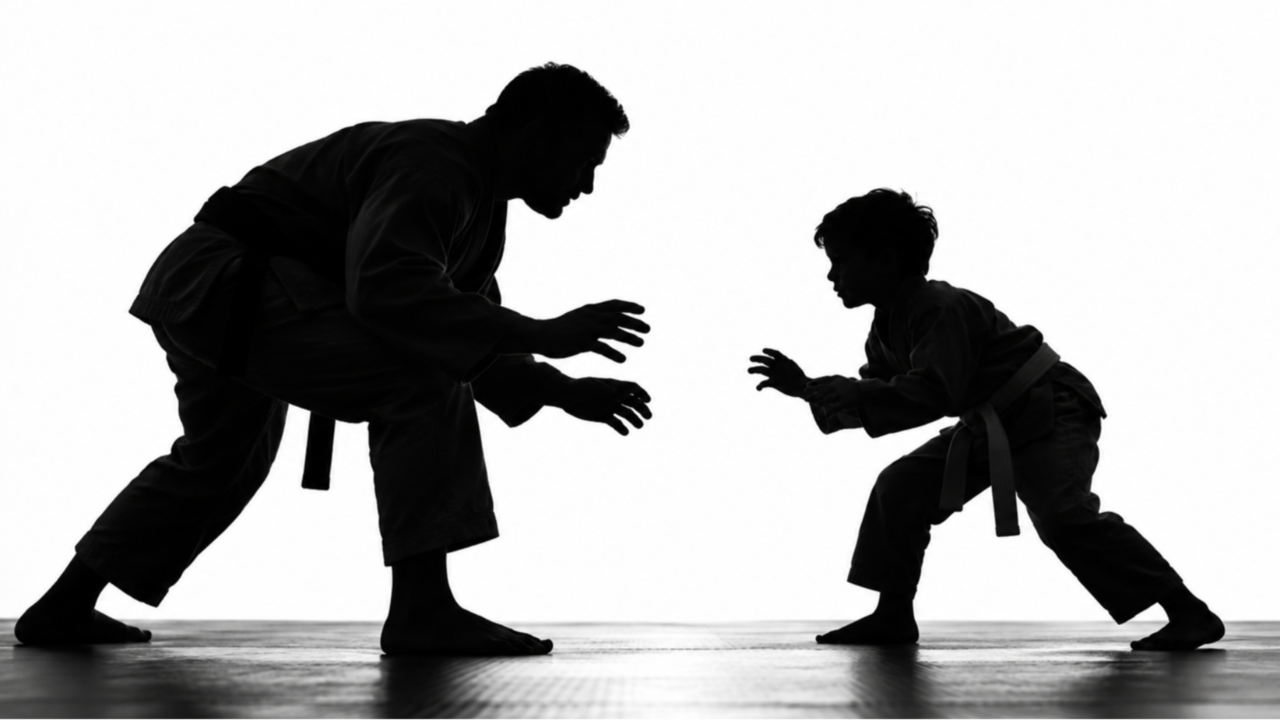
Parents as Partners: How Involvement in Home Jiu Jitsu Training Helps Kids Succeed
By a parent and educator | Jiu Jitsu Graduate
Every teacher knows the difference an involved parent can make. When parents show interest in what their children are learning, ask questions, celebrate progress, and hold high expectations, children tend to feel more motivated and supported. They know someone is in their corner.
As a parent and an educator, I've seen this play out in classrooms, on sports fields, and on the mat. Children thrive when the important adults in their lives are engaged in their growth. And one of the most rewarding ways for parents to get involved is by becoming a partner in their child's learning, not just a spectator.
Home Jiu Jitsu training offers a unique opportunity for this kind of involvement. Parents don't just drive their children to class and wait in the lobby. They watch lessons together, practice as training partners, track progress, and celebrate every milestone. With a structured online youth Jiu Jitsu program, every parent can be part of the journey.
In this post, I'll share what research says about parent involvement and children's success, how home Jiu Jitsu training puts that research into practice, and practical ways to be the best learning partner for your child.
What Does Parent Involvement Look Like in Home Jiu Jitsu?
Parent involvement in home Jiu Jitsu can take many forms:
- Learning together. Watching lessons with your child and discussing the techniques.
- Training together. Serving as a safe, supportive practice partner.
- Supporting routines. Helping schedule and protect regular training times.
- Holding expectations. Believing in your child's ability to grow and encouraging steady effort.
- Tracking progress. Helping your child chart badges, stripes, certificates, and belts.
- Celebrating success. Recognizing milestones and effort.
- Talking with your child about what they're learning and how they feel.
You don't need any Jiu Jitsu experience to be an excellent partner. What matters most is your presence, encouragement, and belief in your child.
What the Research Says About Parent Involvement
Here is a short summary of relevant research. (Full references appear at the end of this post.)
Parent involvement is linked to student achievement. A meta-analysis by Kim and Hill in the Journal of Educational Psychology found that parental involvement in education was positively associated with student achievement, and that the relationship was equally strong for fathers and mothers (Kim & Hill, 2015).
Expectations matter most. A meta-synthesis of nine meta-analyses found that the relationship between parental involvement and academic achievement was positive across definitions and measures, and was strongest when involvement was defined as parental expectations for their children's achievement (Wilder, 2014).
Supportive involvement works better than control. A meta-analysis of 37 studies found that parental involvement positively and moderately influences students' academic performance, with the strongest associations when families hold high expectations, maintain ongoing communication about school activities, and help foster reading habits (Castro et al., 2015).
Parents and children move more when they move together. A study published through the University of Cambridge found that parent-child co-participation in physical activity was positively associated with daily physical activity for both children and parents (Cambridge repository study).
How parents praise matters. Mueller and Dweck found that children praised for effort showed more persistence and enjoyment after setbacks than children praised for intelligence (Mueller & Dweck, 1998, summarized by the Institute of Education Sciences).
The takeaway is clear: positive, supportive involvement, built on high expectations, communication, encouragement, and shared experiences, helps children thrive.
7 Ways Parent Involvement in Home Jiu Jitsu Helps Kids Succeed
- Children Feel Supported and Valued
When parents take time to learn and train with their children, children feel seen and valued. They know their growth matters to the people they love most.
This sense of support builds confidence. Children are more willing to try difficult techniques, take on challenges, and keep going when things get hard, because they know their parents believe in them.
- High Expectations Fuel Growth
Research suggests that parental expectations have one of the strongest connections to children's achievement (Wilder, 2014). In Jiu Jitsu, parents can express high expectations in a positive way: "I know you can earn that badge if you keep practicing."
High expectations, paired with warmth and encouragement, tell children that they are capable of growth. They begin to expect more of themselves.
- Communication Becomes Natural
Training together creates natural opportunities for conversation. Parents and children talk about techniques, challenges, progress, and feelings. Many children open up more while moving side by side than in face-to-face conversations.
These regular conversations build trust and help parents understand how their children think, learn, and handle challenges, insights that support them in school and life.
- Learning Becomes Shared
When parents learn alongside their children, learning becomes a shared adventure. Children see their parents try, struggle, laugh at mistakes, and improve. This models a love of learning and shows that everyone can grow.
Children also love teaching their parents. When a child explains a technique to a parent, they deepen their own understanding and build confidence.
- Routines Become Consistent
Parents play a key role in establishing and protecting routines. When parents schedule regular training sessions and treat them as important, children learn the value of consistency and commitment.
These routines often extend to other areas, such as homework, reading, and chores. Children who learn to show up for training learn to show up for other responsibilities too.
- Effort Is Celebrated
Involved parents notice their children's effort, not just their results. They see the practice behind every badge and the persistence behind every belt. That allows them to praise the process, which research suggests builds persistence and resilience (Mueller & Dweck, 1998).
When children hear "I saw how hard you worked on that," they learn that effort is the key to success.
- Families Grow Healthier Together
Parent involvement in Jiu Jitsu means parents move too. Training together provides physical activity for the whole family and builds healthy habits that children carry into adulthood. Research on co-participation shows that when parents and children are active together, both tend to be more active overall (Cambridge repository study).
Why Home Jiu Jitsu Is Ideal for Parent Involvement
Many youth activities leave little room for parents to participate. Parents drop children off, watch from the sidelines, or wait in the car. Home Jiu Jitsu training is different.
Parents are on the mat. Instead of watching from a distance, parents become active training partners. They experience the lessons, feel the techniques, and understand exactly what their children are learning.
Lessons are transparent. Because the curriculum is online, parents can see every lesson, every technique, and every value being taught. There's no guessing about what happens in class.
Progress is visible. The badge, stripe, certificate, and belt system makes it easy for parents to track growth and know when to celebrate.
Scheduling is flexible. Parents can choose training times that fit their family, making consistent involvement realistic even with busy schedules.
Evaluations provide expert feedback. In-person and remote video evaluations by a Jiu Jitsu Graduate Coach give parents and children clear guidance on progress and next steps.
How Involvement on the Mat Supports Success in School
The habits parents build with their children during home training often carry over into academics.
Shared learning routines. Families who train together regularly often find it easier to build other learning routines, such as reading together or reviewing homework.
Open communication. Children who are used to talking with parents about training are often more willing to talk about school challenges and successes.
Positive expectations. When parents express confidence in their child's ability to earn the next belt, children begin to apply that same confidence to schoolwork.
Effort-focused praise. Praising effort on the mat teaches children that hard work leads to progress, a mindset that supports academic persistence.
Goal-setting skills. Working toward badges and belts teaches children to set goals and follow through, skills that help with long-term school projects and studying.
The Difference Between Supportive and Controlling Involvement
Not all involvement is equally helpful. Research suggests that supportive involvement, such as encouragement, communication, and high expectations, tends to have stronger positive effects than controlling approaches (Castro et al., 2015).
In home Jiu Jitsu, supportive involvement looks like:
- Encouraging your child to try again after a mistake
- Asking what they learned and what they want to work on
- Letting them lead parts of the session
- Celebrating effort and progress
- Offering hints instead of taking over
Controlling involvement looks like:
- Criticizing every mistake
- Pushing them to train when they're exhausted or upset
- Comparing them to siblings or other children
- Taking over the technique instead of letting them learn
- Focusing only on passing evaluations
Aim for supportive involvement. It builds motivation, independence, and a lasting love of learning.
Involvement Tips for Busy Parents
Not every parent can be on the mat for every session. That's okay. Here are ways to stay involved even with a busy schedule:
Watch one lesson a week together. Even a single shared lesson keeps you connected to your child's learning.
Ask about training at dinner. "What did you learn today?" opens the door to meaningful conversation.
Check the progress chart. Take a moment each week to review your child's badges and stripes.
Attend evaluations when possible. Your presence at important milestones means a lot.
Celebrate promotions. Make every badge, stripe, certificate, and belt a special moment.
Share the role. Grandparents, older siblings, and other trusted adults can also serve as training partners.
Involvement at Every Age
Young children (Kindergarten to Grade 2). Young children need close involvement. Train with them, supervise every session, and celebrate small wins often.
Upper elementary (Grades 3 to 5). Children can begin following lessons more independently, but still benefit greatly from a parent partner and regular encouragement.
Middle school (Grades 6 to 8). Students want more independence. Stay involved through conversations, progress check-ins, and attending milestones, while giving them room to lead.
High school (Grades 9 to 12). Teens may train independently or mentor younger siblings. Parents can stay involved by showing interest, holding high expectations, and celebrating achievements.
Questions to Ask Your Child After Training
- What technique did you work on today?
- What part was the hardest?
- What did you figure out?
- What do you want to practice next time?
- How did you help your partner today?
- How close are you to your next badge or stripe?
- What are you most proud of this week?
These questions show interest, encourage reflection, and strengthen communication.
A Sample Weekly Parent Partnership Plan
|
Day |
Parent Role |
Time |
|
Monday |
Watch the new lesson together and train as a partner |
25–30 minutes |
|
Wednesday |
Supervise practice and offer encouragement |
20–30 minutes |
|
Friday |
Review progress chart and ask reflection questions |
10–15 minutes |
|
Weekend |
Family training session and celebration of progress |
30 minutes |
Keeping Home Training Safe
At Jiu Jitsu Graduate, home training follows three rules:
- Safety: Safety first, always. Move slowly, stay in control, and tap early. A technique done safely and slowly is worth more than one done fast and rough.
- Space: Take good care of your mat space and always review the area before training. Protective mats are required for youth technical training.
- Rules: Respect your partner. Your partner is helping you learn, so take care of them and follow the Golden Rules.
As a parent partner, your role is to help your child learn, not to win. Move slowly, control your strength, and always honor the tap. Visit our "Welcome to Home Training" page for full guidance.
Getting Started This Week
Commit to one shared session with your child this week. Watch the lesson together, practice as partners, and finish by asking two or three of the reflection questions above. Review the progress chart together and talk about the next goal. Even if your schedule is busy, that one session can set the tone for a partnership that grows week after week. Over time, look for ways to add a second session, attend an evaluation, or plan a small celebration for the next promotion.
Frequently Asked Questions
Do I need Jiu Jitsu experience to train with my child?
No. Online lessons are designed so parents can follow along and be safe, supportive partners.
How involved should I be?
Aim for supportive involvement: encouragement, communication, high expectations, and celebration. Let your child lead and learn while you support them.
What if I can't train every session?
Stay involved by watching lessons together, asking about training, reviewing progress, and attending milestones.
Does parent involvement really make a difference?
Research shows that parent involvement, especially high expectations and supportive communication, is positively associated with children's achievement.
What ages is the program for?
Our youth program serves students from kindergarten through 12th grade.
What if my child prefers to train with a sibling instead of me?
That's great. Stay involved by supervising, asking reflection questions, reviewing progress, and celebrating milestones. Your encouragement still makes a big difference, even when you're not the training partner. You can also join for family sessions on weekends.
Can Arizona ESA families use their funds?
Jiu Jitsu Graduate LLC works with Arizona ESA families through ClassWallet for eligible instruction and curriculum-based materials. See our ESA Payment page for details.
Conclusion: Your Involvement Is Your Child's Advantage
Children thrive when the adults in their lives are engaged, supportive, and believe in their potential. Home Jiu Jitsu training gives parents a powerful way to be part of their child's growth, as learners, partners, encouragers, and celebrators.
Research on parent involvement, expectations, communication, praise, and family activity all point to the same truth: when parents are positively involved, children grow.
You don't have to be an expert to make a difference. You just have to show up, believe in your child, and enjoy the journey together. The time you spend on the mat with your child is an investment in their confidence, character, and future.
That is why Jiu Jitsu Graduate at www.jiujitsugraduate.com is the ideal online training for youth success and growth. With a progressive, position-based curriculum, guided home training, weekly new techniques, a vault of 1,000+ videos, and belt promotions earned through real evaluation, Jiu Jitsu Graduate gives parents and children a guided path to learn, grow, and succeed together.
Guided on the Path. Nurtured to Succeed. Always Moving Forward.
Start your family's journey today at www.jiujitsugraduate.com.
References
- Kim, S. W., & Hill, N. E. (2015). Including fathers in the picture: A meta-analysis of parental involvement and students' academic achievement. Journal of Educational Psychology, 107(4), 919–934. https://eric.ed.gov/?id=EJ1082651
- Wilder, S. (2014). Effects of parental involvement on academic achievement: A meta-synthesis. Educational Review. https://www.tandfonline.com/doi/abs/10.1080/00131911.2013.780009
- Castro, M., et al. (2015). Parental involvement on student academic achievement: A meta-analysis. Educational Research Review. https://www.sciencedirect.com/science/article/abs/pii/S1747938X15000032
- Parent–child coparticipation in physical activity and its association with physical activity levels. University of Cambridge repository. https://api.repository.cam.ac.uk/server/api/core/bitstreams/715fe7e6-706b-4441-96af-66101ed60fc3/content
- Mueller, C. M., & Dweck, C. S. (1998). Praise for intelligence can undermine children's motivation and performance. Journal of Personality and Social Psychology, 75(1), 33–52. Summary: https://ies.ed.gov/rel-northwest/2025/01/session-1-handout-closer-look-mindset-research
Author